Hij is patroon van Polen en van de Poolse steden Gniezno, Lublin, Lviv, Poznań en Warschau; daarnaast van jezuïetennovicen en van de studerende jeugd in het algemeen; van de stervenden (omdat hem op zijn sterfbed de Maagd Maria met het Kind Jezus op haar arm verschenen zou zijn. Hij had een grote liefde voor de Heilige Maagd).
Zijn voorspraak wordt ingeroepen bij geloofstwijfel; ook bij allerhande ziektes, vooral wanner men alle hoop op herstel heeft opgegeven, bij koorts, hartinfarcten, oogkwalen en botbreuken.
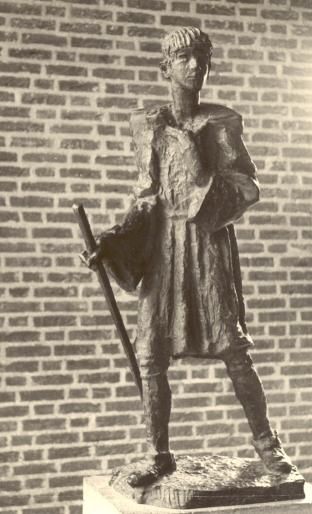
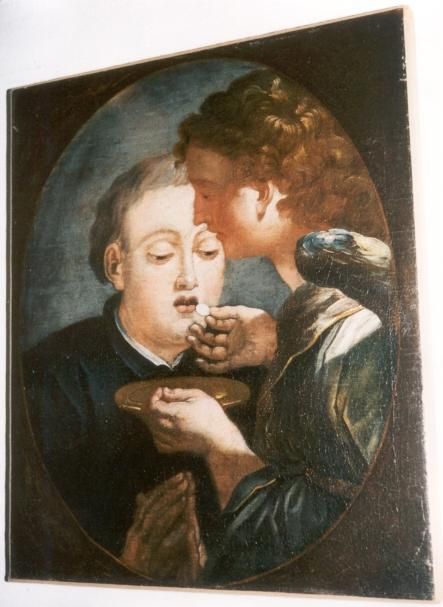
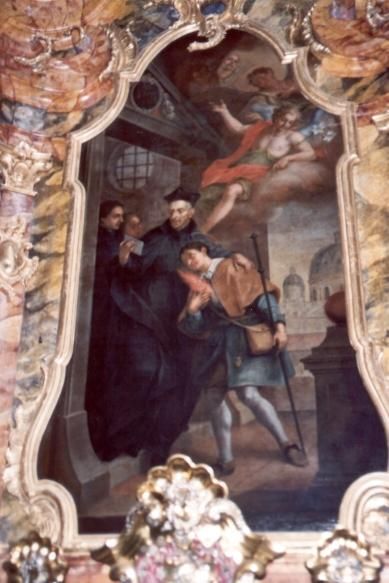
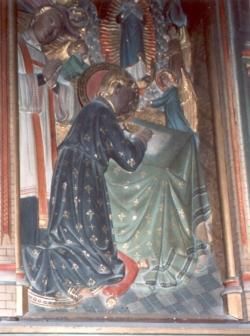
Hij wordt afgebeeld als jezuïet met lelie (reinheid) en reisstaf (vanwege de lange tochten naar Dillingen en Rome); met kruisbeeld en/of rozenkrans; met Jezuskind op de arm (verschijning); voor het Allerheiligste of voor een engel (soms de Heilige Maagd of Sint Barbara) die hem de communie brengt of met het visioen waarin de Maagd hem verschijnt met het Jezuskind of als jongen uit wiens hart de letters IHS opgloeien, het
IHS-embleem
dat aan de jezuïetenorde zeer dierbaar is.
STANISLAS
volgens: J.Kerns S.J.: 'Portait of a champion' The Newman Press, Westminster, Maryland, 1957
Stanislas Kostka werd in 1560 in Polen geboren, op het kasteel te Rostkov bij Prasnysz, 80 km ten noorden van Warschau. Zijn vader was raadslid van de koning van Polen, en bezat als graaf vele landgoederen met landbouw, veeteelt en bosbouw. Stanislas had een één jaar oudere broer Paul, een zus van wie we de naam niet weten en twee jongere broertjes, Adalbert en Jan. Op het kasteel werd hij katholiek opgevoed. Hij leerde bij een privé-leraar, Belinsky geheten, Pools lezen en schrijven en een beetje Latijn. Verder leerde hij paardrijden, jagen en schermen. Hij hoefde geen dienstwerk te doen, maar moest wel vriendelijk omgaan met het personeel, dapperheid tonen bij wapenspelen, bij de jacht niet klagen over vermoeidheid, hitte of kou, en gasten goed ontvangen.
In die tijd stond heel Europa op zijn kop door de Reformatie. De oude kerk van Rome met al zijn macht stond onder hevige kritiek. Vanaf 1517, toen Maarten Luther zijn 95 stellingen op de kerkdeur van Wittenberg had getimmerd, verspreidden zich velerlei nieuwe godsdienstige ideeën en stromingen over Europa. Er vielen in die tijd vele mensen van hun geloof af. Bovendien was er sprake van algemeen zedelijk verval.
De in 1540 door de paus goedgekeurde orde van de jezuïeten was overal begonnen met het stichten van colleges, om jongens onderwijs te geven volgens de zuivere katholieke leer. Het dichtstbijzijnde college, gezien vanuit Polen, was te Wenen. Stanislas' vader wilde zijn zoons daar onderwijs laten volgen. Zo reisde Stanislas met zijn broer Paul, hun privé-leraar en twee dienaren, allen te paard en gewapend, van Prasnysz naar Wenen: eerst langs de rivier de Wista (Weichsel) tot aan Krakau, daarna door de Karpaten heen, vervolgens in wat nu Tsjecho-Slowijkije heet langs de Oder en de Morava in zuidelijke richting tot aan de Donau en dan via de Donau stroomopwaarts naar Wenen. Ze waren een maand onderweg.
Op het college te Wenen alleen al werkten (nog geen 25 jaar nadat de jezuïetenorde was gesticht!) 60 Jezuïeten, paters, broeders en scholastieken (= jonge jezuïeten in opleiding). De meeste leerlingen waren jongens uit rijke nobele families, omdat die de internaatskosten, boeken, schriften en al wat je verder nodig had, konden betalen en omdat studeren toen nog een privilege was van de hoogste klasse. Toch waren er ook arme studenten op het college. Dezen werkten als bediende voor de rijkere jongens: ze moesten het eten opdienen, in de keuken werken, het huis schoon houden, de was doen, noem maar op. Zo konden ze hun onderwijs betalen.
De school had 6 klassen: 4 jaar Latijnse grammatika, daarna Latijnse poëzie en tenslotte Latijnse welsprekendheid. Latijn was toen net zo iets als Engels nu en beheersing ervan was noodzakelijk om later naar de universiteit te kunnen, waar in het Latijn werd lesgegeven. Bovendien was Latijnse welsprekendheid een van de voornaamste politieke machtsmiddelen om voor je mening en je rechten op te komen.
Stanislas wordt bij aankomst in de 4e klas toegelaten. Ofschoon hij lang niet tot de besten behoort, voelt hij zich gelukkig op school. Hij wordt gewaardeerd door zijn klasgenoten. Hij leert op een geheel nieuwe manier zijn eigen godsdienst kennen en raakt buitengewoon geboeid door de persoon van Christus en zijn Evangelie. Hij gaat dagelijks naar de mis, biecht elke week en sluit zich aan bij de Barbara-club, die gevangenen en zieken bezoekt en hun wat lekkers brengt.
Het internaatsgebouw was door keizer Maximiliaan aan de jezuïeten uitgeleend, maar de keizer wilde dat gebouw terug. De leerlingen moesten nu zelf kamers gaan zoeken in Wenen. Stanislas komt met Paul, hun privé-leraar, die nu als een soort voogd dienst doet, en hun personeel in het huis van de protestant Kimberker terecht, in een straatje vlak achter het college (hoek Steinl- en Kurrent-Strasse).
's Avonds na tafel zijn de jongens gewoon om lang te blijven zitten, wijn te drinken, te kaarten, verhalen en moppen te vertellen en lol te maken tot het tijd is om te gaan slapen. Maar voor Stanislas verliezen dat soort dingen hun aantrekkingskracht. Het verlangen groeit in hem om jezuïet te worden. Hij zoekt tijd en gelegenheid om alleen te zijn. Na het toetje glipt hij er tussenuit en zoekt een stil hoekje in het grote huis of hij sluipt het huis uit om in de kerk naast het college te bidden. Ook maakt hij er een gewoonte van 's nachts op te staan om een uur te mediteren. 's Zaterdagsavonds eet hij niet bij wijze van voorbereiding op de Communie van Zondag. Het leidt tot ruzies met Paul, die vindt dat hij niet moet vasten, maar dat hij gewoon als de anderen na het eten aan tafel moet blijven en 's nachts in bed moet blijven en dat hij zich als een edelman moet gedragen, zijn stand waardig. Hij wordt door Paul en de anderen voor 'jezuïet' uitgescholden (ofschoon ze niets van zijn heimelijke verlangen weten!) en hij wordt geslagen en getrapt, maar hij slaat nooit terug. De jongens slapen op een gemeenschappelijke kamer en als iemand 's nachts naar de W.C. moet en Stanislas ligt voorover op de grond te mediteren, dan lopen ze expres over zijn rug. Hij vertelt het helaas niet aan zijn biechtvader op school uit angst dat die biechtvader een te verheven indruk van hem zou krijgen.
Het leven op school bleef goed, maar thuis in Kimberkers huis wordt het leven voor hem een hel. Bovendien wordt hij geplaagd door twijfels of hij wel ooit jezuïet kan worden. Als zijn vader het te weten zou komen, zou die hem onmiddellijk naar Polen terug laten komen, want Stanislas was voorbeschikt om als edelman een deel van het erfgoed te beheren en als staatsman een politieke carrière te maken. Uiteindelijk vertelt hij alles aan zijn biechtvader. Deze informeert bij de provinciale overste van Oostenrijk of Stanislas kans heeft in de orde toegelaten te worden. Die zegt Stanislas niet te willen aannemen, want onenigheid met zijn vader zou de orde en de kerk in Polen veel schade toebrengen. Zijn vader zou bijvoorbeeld kunnen verhinderen dat de jezuïeten ook in Polen een school zouden stichten of de jezuïeten een slechte naam bezorgen. Van een van zijn docenten leert hij dat ieder mens zijn eigen levensrichting mag bepalen, - ook tegen de wil van je ouders - tenzij je ouders materieel van jou afhankelijk zijn. Het plan rijpt in hem om als bedelaar vermomd net zo lang te zwerven tot een jezuïetenhuis hem aanneemt.
Hij wordt ernstig ziek. Paul en Belinsky weigeren een pater te halen om hem te troosten en hem de communie te brengen. In een visioen ontvangt hij de communie van de heilige Barbara en ziet hij Maria die haar Kind tegen hem aanlegt en hem belooft, dat hij jezuïet zal worden. Hij herstelt van de ziekte.
Als de pauselijke nuntius in Wenen komt, vraagt Stanislas in het geheim een gesprek met hem aan, maar deze bevestigt dat de proviciaal van Oostenrijk Stanislas niet zonder toestemming van zijn ouders kan aannemen. Als Pater Antonio, een jezuïet en bekend geestelijk leidsman, aan het hof van keizerin Maria komt preken, legt Stanislas weer in het geheim aan hem zijn vluchtplan voor en hij krijgt de raad om naar Petrus Canisius te gaan. Deze van oorsprong Nijmeegse jezuïet woonde in Augsburg in Zuid-Duitsland en had grote invloed door het stichten van colleges en door zijn geschriften. Pater Antonio geeft Stanislas een brief mee voor Canisius.
Ondertussen zit Stanislas in de eindexamenklas. De laatste examens zijn al achter de rug. We zijn nu in Augustus 1567. Hij is geslaagd, maar het wachten is nu nog op de officiële diploma-uitreiking. Hij weet dat hij nu snel moet zijn, want na de diploma-uitreiking moet hij terug naar Polen. Hij koopt ergens een bedelaarsplunje en verstopt die in zijn klerenkast.
Hij laat een brief achter in zijn woordenboek en zegt een vriend dat ze daar moeten kijken, als ze hem ooit mochten missen. In die brief legt hij de reden van zijn vlucht uit. Hij wordt weer door Paul geslagen en als Stanislas zegt: 'Wat zullen je ouders hiervan vinden?' zegt Paul dat Stanislas wat hem betreft het liefste op kan donderen. 's Zondags gaat hij naar de vroegste mis. Bij zijn terugkeer blijkt dat Paul nog wakker moet worden. Stanislas vraagt of hij meende wat hij gisterenavond zei. Paul zegt: 'Ja, donder op en laat me met rust'. Aan een bediende laat Stanislas weten, dat als hij die avond te laat aan tafel zou komen, hij aan Paul moest zeggen dat hij 'elders genodigd was'.
Hij vertrekt in zijn edelmanskleren met in een buideltje zijn bedelaarsplunje. Hij verlaat Wenen in westelijke richting, kleedt zich in een bosje om en geeft zijn edelmanskleren aan voorbijkomende boeren. Dan stapt hij zo snel als hij kan naar het westen en kijkt op elke heuvel of hij niet achtervolgd wordt. Om tijd te winnen begint hij pas na zonsondergang bij boeren om voedsel te bedelen. 's Nachts slaapt hij in het hooi. 's Ochtends vroeg gaat hij weer verder, ondanks de spierpijn, op elke heuveltop weer even omkijkend of hij niet wordt achtervolgd. Dan ziet hij tot zijn grote schrik een koets aankomen; dat kon in deze arme omgeving alleen maar een edelman zijn: Paul dus. Onmogelijk om zich ergens te verbergen, want er was hier geen bos. In plaats van te vluchten trekt hij zijn bedelaarskap dieper over zijn ogen, gaat een beetje opzij van de weg lopen, maar kijkt niet op als de koets passeert. Zijn adem stokt en zijn hart bonst in zijn keel, maar de wagen rijdt door. Pas als het geluid van de trappende paardenhoeven zwakker wordt, durft hij op te zien: ja, het is de wagen van Paul. Hij verlaat de weg en rent in noordelijke richting, waar de Donau ergens moet stromen. Even geeft hij toe aan het gevoel van uitputting, dan staat hij weer op en bereikt 's avonds nog de Donau in de buurt van het beroemde klooster van Melk. Hij is dan twee dagen onderweg en heeft al 90 km gelopen.
Zo gaat Stanislas verder langs de Donau, per dag ca 40 km afleggend, zijn kostje bij elkaar bedelend en slapend in schuren en hooimijten. Bij Schärding verlaat hij de Donau en loopt via het Rot-dal richting München en vandaar naar Augsburg.
Route: Wenen, St.Polten, Melk, (Melk-rivier, Erlauf, Ybbs), Amstetten, (Enns), Ennso, (Donau), St.Florian, Linz, Efferding, (Inn, Rot), Schärding, (Inn, Rot), langs de Rot, Neumarkt, Mühldorf, (Inn, Isar), München, Augsburg.
Hij heeft dan 450 km afgelegd in ongeveer twee weken. In Augsburg verneemt hij dat Canisius niet thuis is en zich in het college te Dillingen bevindt, dat betekent nog eens 40 km. Canisius ontvangt hem goed. Stanislas krijgt onderdak en wordt keukenknecht, totdat Canisius op 18 september besluit om hem naar de generale overste, pater Borgia, in Rome te zenden samen met twee scholastieken, die daar ook naar toe moeten. Stanislas is buitengewoon blij dat hij met twee jezuïeten de weg naar Rome kan afleggen. Hij krijgt warme kleren voor in de bergen en hoeft niet meer in het hooi te slapen, want onderweg overnachten en eten ze in herbergen. In een maand tijd leggen de drie vanuit Zuid-Duitsland via de Alpen en Noord-Italie (en met een omweg langs het huisje van Loreto) een afstand van 1000 km af, om op 25 oktober Rome te bereiken.
Route: Augsburg, München, Innsbruck, Brennerpas, Sterzing, Franzenfeste, Brixen, Klausen, Runklestein, Bozen, (Adige), Trente, Rovereto, Verona, Mantua, (Po), Modena (Via Aemiliana), Bologna, Imola, (Santerno), Faenza, Forli, (Rubicon), Rimini, Pesaro (Via Flaminia), Fano, (Metauro), Ancona, Loreto, Macerata, Tolentino, San Severino, Nocera Umbra (Via Flaminia), Foligno, Spoleto, Terni (Nera en Tiber), Otricoli, Casale di Morolo, Roma.
In Rome mag hij als novice (= nieuweling) in de orde treden; hij wordt - voorzover dat nog kon - dieper ingeleid in het leven als jezuïet. Zijn lijfspreuk is: "Ad maiora natus sum" (= "Voor het meerdere ben ik geboren"). Tijdens zijn
noviciaat
krijgt hij een woedende brief van zijn vader: hoe hij de naam van de familie te schande had gemaakt door als bedelaar rond te zwerven en zich aan te sluiten bij zo'n groep. Het snijdt Stanislas door de ziel. Hij schrijft terug dat het Gods roeping was; maar dat hij nog liever zou sterven dan zijn ouders te beledigen.
Nog geen jaar later, augustus 1568 wordt hij ziek; hij krijgt malaria-aanvallen. Hij had wel eens aan vertrouwelingen gezegd dat hij naar de hemel verlangde. Maar niemand verwachtte dat het zo snel zou gaan. Op zijn sterfbed krijgt hij toestemming zijn
geloften
uit te spreken. Diezelfde dag, de avond voor Maria Hemelvaart, sterft hij in diepe vrede, 18 jaar oud. In opdracht van pater Borgia maakten de novicenmeester en een poolse jezuïet een levensbeschrijving van hem voor de hele orde. Hij werd door paus Clemens VIII als eerste jezuïet zalig verklaard, nog voor Ignatius en Xaverius. Een eeuw later volgde zijn heiligverklaring.
En hoe ging het verder met Paul?
Paul kwam een maand na Stanislas' dood in Rome aan, waarschijnlijk voor zaken. Men gaf hem de levensbeschrijving van zijn broer, waarin zijn eigen aandeel, de pesterijen te Wenen, nog niet voorkwamen. Hij wees de eer af de broer van een heilige te zijn, wilde geen details over hun leven in Wenen vertellen en verliet Rome om naar het ouderlijk kasteel van Rostkov in Polen te gaan. Daar trof hij een familie aan met gemengde gevoelens van droefheid en vreugde, schaamte en trots. Toch begon er in Paul iets te veranderen. Hijzelf zou dat later toeschrijven aan de gebeden van zijn broer. Hij trouwde niet, gaf als erfgenaam van zijn vader land en geld aan de armen weg, wilde een jezuïetencollege bouwen in Prasnysc, dat er ook kwam en later een ziekenhuis werd. Tenslotte, op 60-jarige leeftijd, vroeg hij om toegelaten te worden tot de jezuïetenorde. Kort voordat hij naar Rome zou vertrekken stierf hij.
Het feest van St.Stanislas staat niet op de 14e augustus, zijn sterfdag, zoals dat bij de meeste heiligen het geval is, maar op 13 november, de sterfdag van zijn broer Paul.
STANISLAS
1. Polen
Stanislas Kostka werd naar men aanneemt op 28 oktober van het jaar 1550 in Polen geboren, op het kasteel te Rostkov bij Prasnysz in de landstreek Masovië, 80 km ten noorden van Warschau. Zijn vader was raadslid van de koning van Polen, en bezat als graaf vele landgoederen met landbouw, veeteelt en bosbouw. Stanislas had een één jaar oudere broer Paul, een zus van wie we de naam niet weten en twee broertjes onder hem, Adalbert en Jan. Op het kasteel werd hij katholiek opgevoed. Hij leerde bij een privé-leraar, Belinsky geheten, Pools lezen en schrijven en een beetje Latijn. Verder leerde hij paardrijden, jagen en schermen. Hij hoefde geen huishoudelijk dienstwerk te doen, maar moest wel vriendelijk omgaan met het personeel, dapperheid tonen bij wapenspelen, bij de jacht niet klagen over vermoeidheid, hitte of kou, en gasten goed ontvangen. Hij leerde de eer van de Kostka's hoog te houden, een echte edelman te zijn, die zijn mannetje stond; één die niet voor de eerste de beste tegenslag opzijging, eerlijk en recht door zee, trouw aan het eens gegeven woord.
Toen kwam het moment dat hij verder moest studeren, want Stanislas was voorbeschikt om als edelman een deel van het erfgoed te beheren en als staatsman een politieke carrière te maken. Maar welke school zou het beste aansluiten bij de deugden die vader Kostka zo belangrijk vond voor zijn kinderen? Ook in het verre Polen drongen verontrustende berichten door over veranderingen in kerk en geloof. (In die tijd was geloof even belangrijk en vanzelfsprekend als vandaag de dag economie en politiek; iedereen was er mee bezig). Heel Europa was op zijn kop gezet door de Reformatie. De oude kerk van Rome met al haar macht stond onder hevige kritiek. Vanaf 1517, toen Maarten Luther zijn 95 stellingen op de kerkdeur van Wittenberg had getimmerd, verspreidden zich allerlei nieuwe godsdienstige ideeën en stromingen over Europa. Er vielen in die tijd vele mensen van hun geloof af. Bovendien was er sprake van algemeen zedelijk verval. Luther wilde veel dingen in kerk en geloof veranderen door ze eenvoudigweg af te schaffen. Maar intussen was er in 1540 een nieuwe groepering in de kerk door de paus goedgekeurd, de jezuïeten. Zij wilden ook van alles veranderen, niet door het af te schaffen, maar door ervan te achterhalen wat er ook al weer de diepere betekenis van was. Dat sloot volgens vader Kostka veel beter aan bij de familietraditie. Toen hij hoorde dat de jezuïeten overal begonnen met het stichten van colleges, om jongens onderwijs te geven volgens de zuivere katholieke leer, besloot hij zijn zoons naar zo'n college te sturen.
2. Wenen
Het dichtstbijzijnde college, gezien vanuit Polen, was in Wenen. Zo reisde Stanislas - hij was op dat moment veertien - met zijn broer Paul, hun privé-leraar en nog twee personeelsleden, allen te paard en gewapend, van Prasnysz naar Wenen: eerst langs de rivier de Wista (Weichsel) tot aan Krakau, daarna door de Karpaten heen, vervolgens in wat nu Tsjecho-Slowakije heet langs de Oder en de Morava in Zuidelijke richting tot aan de Donau en dan via de Donau stroomopwaarts naar Wenen. Ze waren een maand onderweg.
Op het college te Wenen alleen al werkten 60 jezuïeten, en dát nog geen 25 jaar na de officiële oprichting van de orde. Zij hadden paters, broeders en scholastieken (= jonge jezuïeten in opleiding). De behuizing was nogal gebrekkig. Er was zo weinig leefruimte dat de interne jongens gewoon het leven van de jezuïeten meeleefden; zij deelden de slaapzaal, zij aten in dezelfde refter en studeerden in dezelfde bibliotheek. De meeste leerlingen waren jongens uit rijke families van adel, omdat die de internaatskosten, boeken, schriften en al wat je verder nodig had, konden betalen en omdat studeren toen nog een privilege was van de hoogste klasse. Toch waren er ook arme studenten op het college. Dezen werkten als bediende voor de rijkere jongens: ze moesten het eten opdienen, in de keuken werken, het huis schoon houden, de was doen, noem maar op. Zo konden ze hun onderwijs betalen.
De school had 6 klassen: 4 jaar Latijnse grammatica, daarna Latijnse poëzie en tenslotte Latijnse welsprekendheid. Latijn was toen net zo iets als Engels nu en beheersing ervan was noodzakelijk om later naar de universiteit te kunnen, waar in het Latijn werd lesgegeven. Bovendien was Latijnse welsprekendheid een van de voornaamste politieke machtsmiddelen om voor je mening en je rechten op te komen.
Stanislas wordt bij aankomst in de 4e klas toegelaten. Ofschoon hij lang niet tot de besten behoort, voelt hij zich gelukkig op school. Hij wordt gewaardeerd door zijn klasgenoten. Hij raakt geboeid door het leven van de jezuïeten waar hij de hele dag tussen zit; hij geniet van de boeken die onder het eten worden voorgelezen, soms zijn het brieven van paters en broeders van de andere kant van de oceaan in de Amerika's of uit Azië. Hij bemerkt hoe de jezuïeten zich evenzeer interesseren voor de grote dingen van de wereld als voor de kleine en gewone dingen van alle dag; hoe alles vanuit gelovig oogpunt wordt gezien. Hij leert op een geheel nieuwe manier zijn eigen godsdienst kennen en raakt buitengewoon geboeid door de persoon van Christus en zijn Evangelie. Hij gaat dagelijks naar de mis, biecht elke week en sluit zich aan bij de Barbara-club, die gevangenen en zieken bezoekt en hun wat lekkers brengt.
In 1566 stierf keizer Ferdinand. Dat had voor Stanislas grote gevolgen. Want de nieuwe keizer, Ferdinands zoon Maximiliaan, wilde het gebouw dat zijn vader aan de jezuïeten had uitgeleend, terughebben. De leerlingen moesten zelf maar kamers gaan zoeken in Wenen. Stanislas komt met Paul, Belinsky en hun personeel te wonen in het huis van de protestant Kimberker in een straatje vlak achter het college (hoek Steinl- en Kurrent-Strasse).
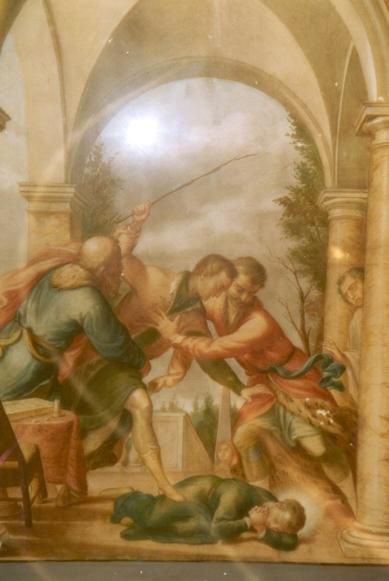
's Avonds na tafel zijn de jongens gewoon om lang te blijven zitten, wijn te drinken, te kaarten, verhalen en moppen te vertellen en lol te maken tot het tijd is om te gaan slapen. Maar voor Stanislas verliezen dat soort dingen hun aantrekkingskracht. Het verlangen groeit in hem om jezuïet te worden. Niet dat hij dat aan iemand vertelt. Hij zoekt tijd en gelegenheid om alleen te zijn. Na het dessert glipt hij er tussenuit en zoekt een stil hoekje in het grote huis of hij sluipt het huis uit om in de kerk naast het college te bidden. Hij probeert alles te doen wat hij de jezuïeten had zien doen in de tijd dat hij bij woonde. Hij maakt er dus ook een gewoonte van 's nachts op te staan en een uur te mediteren. 's Zaterdagsavonds eet hij niet als voorbereiding op de communie van zondag. Dit alles leidt tot ruzies met Paul, die vindt dat hij niet moet vasten, maar dat hij gewoon als de anderen na het eten aan tafel moet blijven en 's nachts in bed hoort en dat hij zich als een edelman moet gedragen, een Kostka waardig. Hij wordt door Paul en de anderen voor 'jezuïet' uitgescholden (ofschoon ze niets van zijn heimelijke verlangen weten!) en hij wordt geslagen en getrapt, maar hij slaat nooit terug. De jongens slapen op een gemeenschappelijke kamer en als iemand 's nachts naar de W.C. moet en Stanislas ligt voorover op de grond te mediteren, dan lopen ze expres over zijn rug. Hij vertelt het niet aan zijn biechtvader op school uit angst dat die biechtvader een te verheven indruk van hem zou krijgen. Op school was het fijn; hij had intussen vriendschap gesloten met een zekere Ernst, die ook jezuïet wilde worden. Maar thuis bij Kimberker wordt het leven voor hem een hel.
Bovendien wordt hij geplaagd door twijfels of hij wel ooit jezuïet kan worden. Als zijn vader het te weten zou komen, zou die hem onmiddellijk naar Polen terug commanderen. Die had immers andere toekomstplannen. Uiteindelijk vertelt hij toch alles aan zijn biechtvader. Deze informeert bij de provinciale overste van Oostenrijk of Stanislas kans heeft in de orde toegelaten te worden. Maar hij zegt Stanislas niet te willen aannemen, want onenigheid met zijn vader zou de orde en de kerk in Polen veel schade toebrengen. Zijn vader zou bijvoorbeeld kunnen verhinderen dat de jezuïeten ook in Polen een college zouden stichten of hij zou de jezuïeten een slechte naam kunnen bezorgen. Van één van zijn docenten leert hij dat ieder mens zijn eigen levensrichting mag bepalen, - ook tegen de wil van je ouders - tenzij je ouders in hun levensonderhoud van jou afhankelijk zijn. Het plan rijpt in hem om als bedelaar vermomd net zo lang te zwerven tot een jezuïetenhuis hem aanneemt.
Hij wordt ernstig ziek. Paul en Belinsky weigeren een pater te halen om hem te troosten en hem de communie te brengen. Als lid van het gilde van de heilige Barbara had hij eens gehoord hoe zij iemand in nood eens de communie had gebracht. Dat wordt zijn gebed. En inderdaad, in een visioen ontvangt hij de communie van de heilige Barbara en ziet hij Maria die haar kind tegen hem aanlegt en hem belooft, dat hij jezuïet zal worden. Bijna op hetzelfde moment, in ieder geval onwaarschijnlijk snel, is hij dan weer beter.
Als de pauselijke nuntius in Wenen komt, vraagt Stanislas in het geheim een gesprek met hem aan, maar deze bevestigt dat de provinciaal van Oostenrijk Stanislas niet zonder toestemming van zijn ouders kan aannemen. Als een zekere Pater Antonio, een jezuïet en bekend geestelijk leidsman, aan het hof van keizerin Maria komt preken, legt Stanislas weer in het geheim aan hem zijn vluchtplan voor en hij krijgt de raad om naar Petrus Canisius te gaan. Deze van oorsprong Nijmeegse jezuïet had jaren geleden het college in Wenen opgericht. Nu woonde hij in Augsburg in Zuid-Duitsland en had grote invloed door de colleges en door zijn geschriften. Pater Antonio geeft Stanislas een brief mee voor Canisius.
Ondertussen zit Stanislas in de eindexamenklas. De laatste examens zijn al achter de rug. We zijn nu in Augustus 1567. Hij is geslaagd, maar het wachten is nu nog op de officiële diploma-uitreiking. Hij weet dat hij nu snel moet zijn, want na de diploma-uitreiking moet hij terug naar Polen. Hij koopt ergens een bedelaarsplunje en verstopt die in zijn klerenkast.
Hij laat een brief achter in zijn Griekse woordenboek en zegt aan zijn vriend Ernst dat ze daar moeten kijken, als ze hem ooit mochten missen. In die brief legt hij de reden van zijn vlucht uit. Hij wordt weer door Paul geslagen en voor het eerst laat hij het niet lijdzaam gebeuren, maar hij geeft een grote mond terug: "Als je zo doorgaat, loop ik nog eens weg, en dan is het jouw schuld. Zullen we nog wel eens zien wat je dan aan vader gaat zeggen." Paul is buiten zichzelf van kwaadheid. Hij brult dat hij dat dan maar zo gauw mogelijk moet doen: "Hoe eerder opgedonderd hoe beter." 's Zondags gaat Stanislas naar de vroegste mis. Bij zijn terugkeer blijkt dat Paul nog wakker moet worden. Stanislas vraagt of hij meende wat hij gisteravond zei. Paul zegt: 'Ja, donder op en laat me met rust'. Aan een bediende laat Stanislas weten, dat als hij die avond te laat aan tafel zou komen, hij aan Paul moest zeggen dat hij 'ergens anders was uitgenodigd'.
3. Dillingen
Hij vertrekt in zijn edelmanskleren met in een buideltje zijn bedelaarsplunje. Hij verlaat Wenen in westelijke richting, kleedt zich in een bosje om en geeft zijn edelmanskleren aan voorbijkomende boeren. Dan stapt hij zo snel als hij kan naar het westen en kijkt op elke heuvel of hij niet achtervolgd wordt. Om tijd te winnen begint hij pas na zonsondergang bij boeren om voedsel te bedelen. 's Nachts slaapt hij in het hooi. 's Ochtends vroeg gaat hij weer verder, ondanks de spierpijn, op elke heuveltop weer even omkijkend of hij niet wordt achtervolgd. Er is uit deze dagen een brief van Stanislas bewaard gebleven, gericht aan zijn vriend (er blijkt ook uit hoezeer godsdienst en geloof betrokken werden bij alle dingen van het leven indertijd, en zeker door Stanislas):
"Beste Ernst,
Ik stuur je een hartelijke groet. Met behulp van Gods genade en op voorspraak van de heilige Moeder Gods ben ik in beste gezondheid nu halverwege. Mijn Jezus en mijn lieve moeder Maria hebben mij wel een paar kruisen voor onderweg meegegeven. Want ik was Wenen nog niet uit, of daar zag ik in de verte al onze beide personeelsleden. Vlug zocht ik dekking in een bos in de buurt. Ik was al een behoorlijk aantal bossen en bergen gepasseerd, toen ik op de tweede dag van mijn vlucht, uitrustend bij een bronnetje, hoefgetrappel van paarden hoorde. Ik ging staan om te zien wie die ruiter was die daar aankwam. Het was mijn broer Paul. Het schuim stond op de mond van het paard en het gezicht van Paul was behoorlijk verhit. Dat was schrikken, dat kun je je waarschijnlijk wel voorstellen. Vluchten kon niet meer, daarvoor was hij al te dichtbij. Ik raapte al mijn moed bij elkaar, ging naar de ruiter toe en vroeg als een echte bedelaar om een aalmoes, mijn gezicht onderdanig naar de grond en mijn hand omhoog, precies zoals het hoort. Hij wilde alleen maar weten of ik zijn broer had gezien, gaf een beschrijving van zijn kleding, postuur en hoe hij eruit zag; hij leek wel wat op mij. Ik zei hem dat zijn broer dan vanmorgen over deze zelfde weg voorbij was gekomen. Toen gooide hij mij een geldstuk toe zonder mij nog een blik waardig te keuren en vervolgde in allerijl zijn weg.
Ik bracht dank aan mijn moeder, de heilige Maagd, en hield me verder in een grot verborgen, voor het geval Paul nog eens terug zou komen. Na een poosje ging ik verder. Ik moet je ook nog een andere moeilijkheid vertellen. Dan kun je zien, met welke kruisen mijn Verlosser mij onderweg zegende; dan kun jij met mij meedoen, als ik hem dank en hulde breng. Mijn broer had namelijk in alle dorpen en stadjes waar ik langs moest, wachters bij de poorten laten opstellen. Zij moesten mij arresteren, zodra ik mij zou vertonen. Ze hadden allemaal een nauwkeurige beschrijving van mij gekregen. Maar midden in die benauwde situatie kwam er een kar voorbij met een pater uit Wenen. Hij ging naar Dillingen. Hij herkende mij onmiddellijk. Ik legde hem uit waarom ik op reis was en waarom ik mij vermomd had, ik vertelde hem over de achtervolging van mijn broer en dat ik gehoord had welke maatregelen hij had getroffen om mij te pakken te krijgen. Maar hij zei dat hij dit allemaal al wist. Hij zette mij op zijn kar en zo kon ik al de wachtposten ongemerkt passeren. De pater wou me helemaal meenemen naar Dillingen, maar ik wou de reis liever als arme pelgrim maken; zo had ik meer voor mijn Jezus over.
je vriend Stanislas Kostka."
De tweede dag bereikt hij 's avonds nog de Donau in de buurt van het beroemde klooster van Melk. Hij heeft dan al 90 km afgelegd.
Zo gaat Stanislas verder langs de Donau, per dag ca 40 km afleggend, zijn kostje bij elkaar bedelend en slapend in schuren en hooibergen. Bij Schärding verlaat hij de Donau en loopt via het Rot-dal richting München en vandaar naar Augsburg. Dat waren 450 km in ongeveer twee weken. In Augsburg verneemt hij dat Canisius niet thuis is en zich in het college te Dillingen bevindt, dat betekent nog eens 40 km. Canisius ontvangt hem goed. Dwars door de vermoeidheid heen ziet hij bij Stanislas de taaie vastberadenheid en de uitgesproken wil om zijn doel te bereiken. Hij geeft hem onderdak en besluit hem te observeren. Daarom laat hij Stanislas werken als keukenknecht en tafeldienaar. Werkjes die hij zelfs als kind op het kasteel bij zijn vader nooit had hoeven doen. Als zijn vader hem zo eens zou zien...! De studenten die daar wonen horen pas wie die jongen was, als hij al weer weg is. Zij zijn niet weinig verbaasd: was dat een jongen van adel? Hij deed heel gewoon en helemaal niet uit de hoogte. Integendeel, hij was altijd heel hoffelijk en beleefd, en had plezier in zijn werk. Dat straalde van hem af. Ook uit die tijd hebben we een brief van hem aan zijn vriend:
"Na heel wat wederwaardigheden kwam ik dan eindelijk aan in Dillingen. De jezuïetenpaters gaven me heel hartelijk onderdak. Diezelfde dag nog werd ik aan Pater Provinciaal voorgesteld. Hij beloofde me dat mijn wens eindelijk vervuld zou worden en dat ik in de jezuïetenorde zou worden opgenomen. Je kunt je voorstellen, Ernst, welk een vreugde er toen door me heenging. Tussen al die vuile borden en bezems waande ik mij werkelijk in de hemel.
Als jij deze brief krijgt, bid dan tot onze Verlosser dat Hij mij zegent met zijn liefde, dat hij mij zoveel kruisen op mijn weg legt als maar mogelijk is en dat Hij mij arme zondaar als de geringste van allemaal opneemt in het getal van zijn dienaars. Jij moet ook trouw blijven en vasthouden aan je roeping. Op de treden van de Sint-Pieterskerk in Rome zal ik zeker aan je denken,
je vriend Stanislas Kostka."
4. Rome
Petrus Canisius had niet veel moeite de kwaliteiten van deze jongeman op waarde te schatten. Hij zou een aanwinst zijn voor de jezuïetenorde. Op 18 september besluit hij hem naar de generale overste, pater Borgia, in Rome te zenden samen met twee scholastieken, die daar ook naar toe moeten. Zij heten Jacob Levanti en Fabricius Reyner. Stanislas is buitengewoon blij dat hij met twee jezuïeten de weg naar Rome kan afleggen. Hij krijgt warme kleren voor in de bergen en hoeft niet meer in het hooi te slapen, want onderweg overnachten en eten ze in herbergen. In een maand tijd leggen de drie vanuit Zuid-Duitsland via de Alpen en Noord-Italië (en met een omweg langs het huisje van Loreto) een afstand van 1000 km af, om op 25 oktober Rome te bereiken.
In Rome wordt hij persoonlijk ontvangen door de generale overste, pater Borgia. De brief die Petrus Canisius aan Franciscus Borgia schreef over Stanislas is bewaard gebleven. Een paar regels eruit:
"De derde jongeman die ik naar u toestuur is Stanislas, een Pool; het is een nobele, positieve en ijverige jongeman. Onze paters in Wenen waren beducht voor de woede van zijn familie en hebben het daarom niet aangedurfd om hem in het
noviciaat
toe te laten. Ik heb hem getest en ik heb vastgesteld dat zijn roeping volkomen safe is. Hij zelf heeft de wens te kennen gegeven naar Rome te mogen gaan; dan zou hij verder weg zitten van zijn familie en op die manier des te sneller vorderingen kunnen maken in het religieuze leven. Ik heb hoge verwachtingen van hem..."
Pater Borgia had intussen ook een bericht uit Wenen ontvangen. Eén van de paters, Wolfgang Piringer, schrijft hem ook over de zaak Stanislas:
"Een jonge Pool, adellijk van geboorte, maar nog adelijker door zijn deugdzame instelling, heeft de afgelopen tijd herhaaldelijk met aandrang gevraagd om bij de jezuïeten te mogen treden. Hij heeft zich bij ons gedragen als een toonbeeld van ijver; hij was bij iedereen geliefd en bezorgde niemand ook maar enige last. Hoewel hij nog jong is, heeft hij al het onderscheidingsvermogen van een volwassen man. Zijn tengere gestalte doet op het eerste gezicht niet vermoeden, hoe sterk de geestkracht is die erin schuilgaat. In de lessen waren zijn klasgenoten hem aanvankelijk duidelijk de baas, maar geleidelijk aan wist hij ze niet alleen te evenaren, maar ook voorbij te streven. Dag en nacht is hij met zijn gedachten bij Jezus en de jezuïetenorde..."
Dan volgt er een uitvoerig relaas van Stanislas' vlucht. Daarin komen al een aantal wonderlijke gebeurtenissen voor. Zij geven een goed beeld op welke manier zo'n spectaculair verhaal destijds werd overdreven en steeds mooier gemaakt. De brief besluit als volgt:
"Wij zijn ervan overtuigd dat de vrijheidsdrang van deze jongen het werk van God zelf is. Als ik denk aan zijn vastbesloten standvastigheid, dan mag ik aannemen dat het in hem niet één of andere hoog gestemde bevlieging is, maar de inwerking van God."
Hij wordt als novice (= nieuweling) in de orde toegelaten. In het jezuïetenarchief is ook die aantekening bewaard, heel kort en zakelijk:
"Stanislas Kostka uit Masovië, toegelaten op 25 oktober 1567, na de gebruikelijke toetsen en onderzoekingen. Er was geen beletsel."
Hij wordt nog dieper ingeleid in het leven als jezuVet. Zijn lijfspreuk is: "Ad maiora natus sum" (= "Voor het meerdere ben ik geboren"). Tijdens zijn
noviciaat
krijgt hij een razende brief van zijn vader. Deze was diep gekwetst en woedend schrijft hij:
"Het huis Kostka zal deze schandvlek nooit meer van zijn blazoen kunnen afwassen. Een Kostka bedelaar!!"
Dat was wel het allerergste, meer nog dan het feit dat hij was weggelopen en zich had aangesloten bij de jezuïeten. Vader dreigt hem zelfs hoogstpersoonlijk in de boeien te komen slaan om hem achter zich aan naar huis te slepen. Het snijdt Stanislas door de ziel. Hij schrijft terug dat het Gods roeping was; maar dat hij nog liever zou sterven dan zijn ouders te beledigen. Intussen wordt broer Paul naar Rome gestuurd met een scherpe brief aan pater Generaal. Hij zal te laat komen.
Nog geen jaar na zijn aankomst in Rome wordt Stanislas ziek, het is dan augustus 1568. Hij krijgt malaria-aanvallen. Hij had wel eens aan vertrouwelingen gezegd dat hij naar de hemel verlangde. Maar dat zeiden vrome novicen wel meer. Dus niemand hechtte serieus waarde aan zo'n woord. En men had al helemaal niet verwacht dat het zo snel zou gaan. Op zijn sterfbed krijgt hij toestemming zijn
geloften
uit te spreken. Diezelfde dag, de vroege ochtend van 15 augustus, het feest van Maria-ten-Hemelopneming, sterft hij in diepe vrede, nog geen 18 jaar oud.
5. Na Stanislas' dood...
Toen Paul met de woedende brief van zijn vader voor Pater Generaal aankwam, was Stanislas al een maand dood. Men gaf hem de levensbeschrijving van zijn broer, waarin zijn eigen aandeel, de pesterijen te Wenen, nog niet voorkwamen. Hij wees de eer af de broer van een heilige te zijn, wilde geen details over hun leven in Wenen vertellen en verliet Rome om naar het ouderlijk kasteel van Rostkov in Polen te gaan. Daar trof hij een familie aan met gemengde gevoelens van droefheid en vreugde, schaamte en trots. In de loop van de tijd begon er in Paul iets te veranderen. Hijzelf zou dat later toeschrijven aan de gebeden van zijn gestorven broer. Hij trouwde niet, gaf als erfgenaam van zijn vader land en geld aan de armen weg, wilde een jezuïetencollege bouwen in Prasnysc, dat er ook kwam en later een ziekenhuis werd. Uiteindelijk, op 60-jarige leeftijd, vroeg hij om toegelaten te worden tot de jezuïetenorde. Kort voordat hij naar Rome zou vertrekken, stierf hij.
Na een langdurig en zorgvuldig onderzoek stond paus Clemens VIII in een officieel schrijven van 18 februari 1604 aan Stanislas' geboortestad toe dat hij daar als zalige vereerd kon worden. Daarmee was hij de eerste jezuïet die deze eer te beurt viel, nog vóór grote kopstukken als de stichter Ignatius van Loyola en de missionaris Franciscus Xaverius. Op 16 augustus 1670 werd zijn zaligverklaring uitgebreid over heel de kerk. Tezamen met Aloysius van Gonzaga, ook al een adellijke jongeman die in het
noviciaat
gestorven was (1591) werd hij op de laatste avond van het jaar 1726 door paus Benedictus XIII heilig verklaard.
Het bepalen van Stanislas' feestdag had nog een probleem gegeven. Gewoonlijk koos men daarvoor de dag waarop de heilige gestorven was, want dan werd je immers geboren voor een beter leven, bij God in de hemel. Stanislas was gestorven op het feest van Maria-ten-Hemelopneming. Dat was zo'n groot feest dat zijn gedachtenis daaronder volkomen zou wegvallen. Zoekend naar een gepaster datum kwam men uit op de sterfdag van zijn broer Paul, 13 november.
Wordt een persoon als heilige vereerd, dan mag je tot hem (of in het geval van een vrouw: tot haar) bidden en vragen of hij in de hemel meebidt met jou op aarde. Wanneer je krijgt waarom je in je gebed hebt gevraagd, mag je dus geloven dat die heilige daar zijn steentje aan heeft bijgedragen. Zo vertellen Poolse gelovigen uit die tijd dat Stanislas heeft geholpen bij de bescherming van Polen tegen de invallen van de Kozakken en Tataren. Sindsdien is hij uitgeroepen tot één van de patroonheiligen van Polen en van een aantal Poolse steden, waaronder de hoofdstad Warschau. Daarnaast wordt hij vereerd als patroon van de studerende jeugd, van de jezuïeten-novicen en van de ernstig zieken en stervenden.
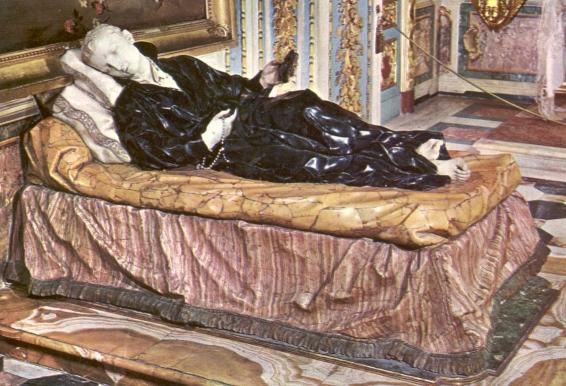
Stanislas ligt begraven in de Romeinse kerk van San Andrea al Quirinale. Daar bevindt zich ook zijn sterfkamer. De kunstenaar Legros maakte een prachtig marmeren beeld van de jonge novice op zijn sterfbed. Ook in het huis van Kimberker te Wenen wordt de gedachtenis van Stanislas nog levend gehouden tot op de dag van vandaag.
Afbeeldingen
Op afbeeldingen wordt hij weergegeven als toonbeeld van 'de' heilige jongeling, zoals men die zich graag voorstelde in de tijd dat de afbeelding werd gemaakt. Omdat hij volgens het verhaal steeds met zijn gedachten bij God en geloof was, wordt hij vaak zo weergegeven: in gebed, geknield, de handen gevouwen, de ogen omhoog gericht naar de hemel, in vervoering, met licht omstraald. Regelmatig worden ook hemelse personen afgebeeld: Maria met Jezuskind verschijnt hem op zijn ziekbed; soms heeft hij alleen het Jezuskind in zijn armen;
engelen
of de heilige Barbara brengen hem de heilige communie.
Vaak heeft hij religieuze voorwerpen om zich heen: kruisbeeld, hostie (= communie), rozenkrans, bijbel, gebedenboekje of regelboekje van de jezuïeten; soms zie je de letters I.H.S. (= dat waren in het Griekse alfabet de eerste drie letters van Jezus' naam en daarom erg populair bij de jezuïeten, want die zijn immers naar Jezus genoemd). Op andere afbeeldingen zien we Stanislas als jongeman op weg... naar zijn ideaal; of gekleed als jezuVet in toog; tenslotte heel vaak op zijn ziekbed, waarbij hij bezoek van hemelse personen ontvangt.
===========
Stanislas Kostka
Op 13 november vieren we Sint Stanislas Kostka. Op de afbeelding zien we zijn ontmoeting met de heilige pater Petrus Canisius.
Stanislas was geboren in 1550 als zoon van een Poolse edelman. Tezamen met zijn oudere broer was hij naar Wenen gestuurd om op het jezuïetencollege zijn opleiding te krijgen. De jezuïeten waren zo’n vijftien jaar tevoren gesticht en stonden nu al bekend om hun onderwijs. Stanislas was onder de indruk van hun geloof en hun visie. Zij zeiden dat je God overal kon zoeken en vinden; niet alleen in de puur godsdienstige zaken, maar ook in de gewone dingen van alledag.
Hij wilde jezuïet worden. Zijn broer bracht hem in herinnering dat vader fel tegen zou zijn. Zijn biechtvader in Wenen had hem gezegd dat je je ouders ongehoorzaam mocht zijn, als dat tot Gods grotere eer strekte. Hij raadde hem aan Pater Canisius in de Duitse stad Augsburg om raad te vragen. Na zijn eindexamen hulde Stanislas zich in bedelaarskleren en ontsnapte aan de aandacht van zijn broer. Na 500 kilometer lopen kwam hij bij Petrus Canisius in de stad Dillingen en liet hem de aanbevelingsbrief zien van zijn biechtvader:
Petrus Canisius had niet veel moeite de kwaliteiten van deze jongeman op waarde te schatten; hij was onder de indruk van zijn doorzettingsvermogen. Ongetwijfeld zou hij een aanwinst zijn voor de jezuïetenorde. Maar hij vreesde dat Stanislas’ vader voor problemen zou zorgen, tot schade van Stanislas’ roeping en de hele jezuïetenorde. Hij raadde hem aan naar Rome door te reizen en daar in de orde te treden: “Ik stuur twee jezuïetenstudenten met je mee en zal je een aanbevelingsbrief meegeven voor de novicenmeester.” Daarin schreef hij o.a.: "De derde jongeman die ik naar u toestuur is Stanislas, een Pool; het is een nobele, positieve en ijverige jongeman. Onze paters in Wenen waren beducht voor de woede van zijn familie en hebben het daarom niet aangedurfd om hem in het
noviciaat
toe te laten. Ik heb hem getest en ik heb vastgesteld dat zijn roeping volkomen safe is. Hij zelf heeft de wens te kennen gegeven naar Rome te mogen gaan; dan zou hij verder weg zitten van zijn familie en op die manier des te sneller vorderingen kunnen maken in het religieuze leven. Ik heb hoge verwachtingen van hem..." Zo legde Stanislas nog eens duizend kilometer af., te voet! In Rome werd hij als novice in de orde opgenomen. Nog geen jaar later werd hij ziek, en stierf: 15 augustus 1568, nog geen achttien jaar oud. Zijn lijfspreuk was: ‘Ad maiora natus sum’ (= ‘Ik ben voor iets hogers geboren’).
Dries van den Akker sj
Samenvatting
Stanislas
Kostka
, Rome, Italië; jezuïetennovice;
+ 1568. Feest 13 november
Stanislas maakte kennis met de jezuïeten, toen hij als dertienjarige jongen als intern kwam te wonen op het jezuïetencollege te Wenen. Juli 1564. Daar verbleven op dat moment zestig jezuïeten, velen nog jong. Hij kwam tezamen met zijn één jaar oudere broer, Paul, die de verantwoording over hem droeg. Ze waren van lagere Poolse landadel. Vader had Paul op het hart gedrukt dat ze de adellijke manieren moesten aanhouden. De twee jongens maakten deel uit van een veel grotere groep Poolse jonkers die allen hun personeel hadden. Er was ook een leraar bij. Het verblijf op het college duurde maar een half jaar. Toen moesten ze elders in de stad onderdak vinden. Ze kwamen terecht bij een Protestantse logementshouder. Maar intussen hadden de jezuïeten op Stanislas grote indruk gemaakt. Ook zij hielden zich aan adellijke omgangsvormen; echter heel anders dan thuis. Niet omdat het zo hoorde, maar omdat zij het meenden. Met eerbied, hartelijkheid en zwier. Zo gingen de paters ook met de jongens om. Zo gaven ze les. En zo deden ze ook als ze in gebed waren.
Op zijn nieuwe adres probeerde Stanislas hun levenswijze na te bootsen. Maar Paul moest erop toezien dat hij de manieren van thuis aanhield. Dat botste. Stanislas wilde niet altijd zo’n bediende om zich heen; hij wilde geen handschoenen dragen; hij wilde op straat niet begroet worden als een adellijk persoon. Hij wilde eenvoud en echtheid. Deed niet mee aan de spelletjes die zijn huisgenoten ’s avonds speelden. Had afkeer van de verplichte danslessen. ‘
Ik ben voor iets beters geboren
,’ zei hij dan. Hij las liever een goed boek of probeerde in de naburige kerk te bidden zoals hij het de paters zag doen. Ze begonnen hem te pesten. Noemden hem neerbuigend ‘jezuïetje’. Als hij ’s nachts voor zijn bed op zijn knieën lag te bidden, liep degene die naar het toilet moest, expres over hem heen. Hij antwoordde door de laarzen van zijn broer te poetsen. Het maakte Paul razend: ‘Dat hoort iemand van onze stand helemaal niet te doen. Daar hebben wij ons personeel voor!’ Hielp niks. In december van het jaar 1566 werd Stanislas ziek. Men vreesde voor zijn leven. Hij vroeg om de Laatste Sacramenten. Dat durfde Paul niet toe te staan uit angst dat de Protestantse logementshouder hen eruit zou gooien. Op een ochtend was zijn jongere broer ineens helemaal beter. Hij vertelde dat de Heilige Barbara vanuit de hemel gekomen was om hem de communie te brengen. En Maria had hem het Kindje Jezus in de armen gelegd. De dokters stonden voor een raadsel. Van dat ogenblik af wilde Stanislas beslist jezuïet worden. Daar had hij de toestemming van vader voor nodig. Zou die nooit geven. Dat besefte Stanislas maar al te goed. Hem werd aangeraden contact op te nemen met Pater Canisius in Augsburg. Die zou raad weten. Hij kreeg een aanbevelingsbrief mee.
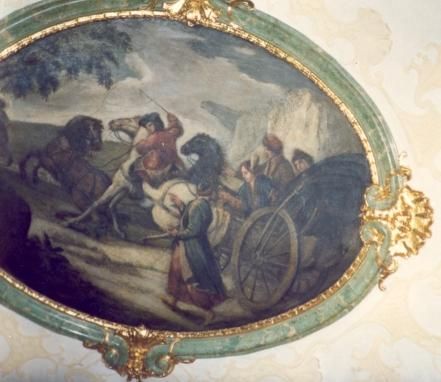
De examens waren achter de rug. Na de zoveelste ruzie met Paul ging hij er vandoor, richting Augsburg, vijfhonderd kilometer verderop. Hij tevoren door een kleermaker een bedelaars-plunje laten maken. Toen Stanislas niet thuis kwam huurde Paul de volgende dag een wagen met paarden. Richting Augsburg. Ze passeerden een bedelaar. Maar pas tientallen kilometers verderop besefte Paul dat dat wel eens zijn broer geweest kon zijn. Hij was er gek genoeg voor om zo voor schut te lopen. Stanislas had hem ook gezien en vluchtte over een stuk land naar de bossen in de verte. De voerman stuurde zijn paarden die kant op, maar ze weigerden. ‘Dat is me nog nooit gebeurd’. Hoe hij erop los sloeg: geen beweging in te krijgen. Stanislas verdween in de verte.
Pater Canisius stuurde hem door naar Rome vergezeld van twee jezuïetenstudenten. Nog eens zo’n duizend kilometer lopen. Op 25 oktober 1567 kwam hij aan. Drie dagen later werd hij toegelaten tot het noviciaat van de jezuïeten. Hij maakte als novice veel indruk. Hij stierf reeds op 15 augustus van het jaar daarop. Zijn broer Paul zou op 60-jarige leeftijd vragen om jezuïetenbroeder te mogen worden. Hij stierf echter vlak voordat hij naar Rome vertrok.